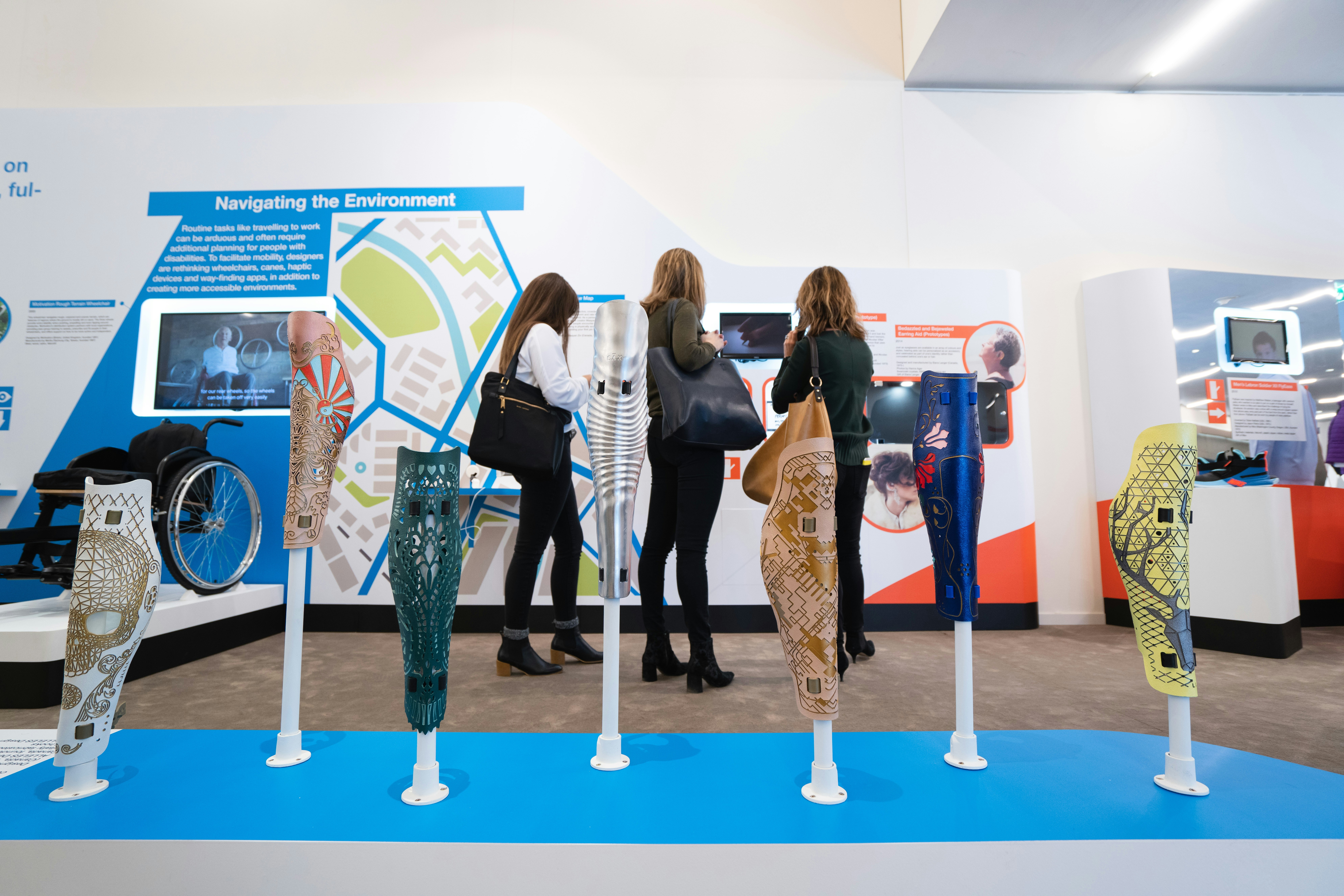
What Are Disability Aids?
Disability aids, often referred to as assistive devices or adaptive technologies, are tools designed to enhance the quality of life for individuals with disabilities. These aids serve various purposes, including improving mobility, facilitating communication, and assisting with daily living activities. The range of disability aids is vast, catering to diverse needs based on the type and extent of disability encountered by users.
Mobility aids, for instance, include wheelchairs, walkers, and canes that provide support and facilitate movement for individuals with physical limitations. These devices not only promote independence but also help prevent secondary health issues that can arise from inactivity. On the other hand, communication aids such as speech-generating devices and text-to-speech applications assist individuals who struggle with verbal communication. By providing alternative means of expression, these aids empower users to engage more fully with their environment and connect with others.
Daily living aids encompass a wide array of products designed to assist with routine tasks. Examples include adaptive utensils for easier eating, modified shower heads for safer bathing, and grab bars for enhanced stability. These tools are crucial for enabling individuals to perform tasks with dignity and reducing reliance on caregivers, thereby promoting greater independence.
It is essential to recognize that the appropriateness of disability aids can vary significantly among individuals. Customizing aids to suit specific needs is vital for maximizing effectiveness and usability. Factors such as the individual’s physical condition, living situation, and personal preferences must be considered to select the most suitable technology. A comprehensive understanding of the various types of disability aids available is vital in ensuring that individuals receive the support they require to enhance their quality of life.
Types of Disability Aids
Disability aids are essential tools designed to enhance the quality of life for individuals with various impairments. These aids can be broadly categorized into three main types: mobility aids, sensory aids, and cognitive support tools. Each category addresses specific needs and enables users to navigate their environments more effectively.
Mobility aids are perhaps the most recognized category, and they include devices such as wheelchairs, walkers, and canes. Wheelchairs, whether manual or motorized, facilitate movement for individuals who are unable to walk or have limited mobility. Walkers and canes provide additional support for those who can walk but require stability to prevent falls. Other devices in this category may include scooters, crutches, and stairlifts, which cater to a range of mobility challenges.
Sensory aids assist individuals with hearing, vision, or other sensory impairments. Hearing aids are a common example, amplifying sounds to enhance auditory perception for those with hearing loss. Visual enhancement devices, including magnifiers and screen-reading software, help individuals with vision impairments access information more easily. Additionally, tactile devices aid those who are blind or have low vision by providing alternative ways to interact with their environment, such as Braille labels and talking devices.
Cognitive support tools focus on assisting individuals with cognitive impairments to manage daily tasks and improve organizational skills. Memory aids like pill organizers and reminder apps help individuals remember essential activities. Organizational apps can support time management and task completion, providing reminders and schedules that assist users in maintaining their routines. These tools not only enhance independence but also foster confidence in individuals learning to navigate their day-to-day lives.
By understanding the various types of disability aids available, individuals and caregivers can make informed choices tailored to specific needs, ultimately improving the user’s quality of life.
Choosing the Right Disability Aid
When selecting a disability aid, it is crucial to consider various factors that align with individual needs and preferences. The nature of the disability itself plays a significant role in determining the most suitable aids. Different disabilities may require specific types of equipment; for instance, individuals with mobility impairments might benefit from wheelchairs or walking aids, while those with visual impairments may require specialized devices such as magnifiers or audio support systems. Understanding the specific challenges presented by one’s condition is the first step in making an informed decision.
In addition to the type of disability, the user’s lifestyle should heavily influence the choice of aid. An individual who remains active in community events may prefer mobility aids that offer ease of transport, while someone leading a more sedentary lifestyle may prioritize comfort and support features. Therefore, it is essential to evaluate daily activities, social interactions, and individual hobbies in the context of how the chosen aid can enhance these experiences.
The environment in which a person lives and operates also greatly impacts the effectiveness of disability aids. For instance, living in a multi-story building without an elevator might necessitate a lightweight walker or a stairlift, whereas a home with ample open space may be more suited to a powered mobility device. Assessing one’s living conditions can provide insight into the types of aids that will facilitate greater independence and accessibility.
Lastly, consulting with healthcare providers or rehabilitation specialists is vital in this decision-making process. These professionals can conduct thorough evaluations and offer recommendations based on their expertise, ensuring that the selected disability aid truly caters to the user’s unique circumstances. Ultimately, the right disability aid can significantly enhance the quality of life, allowing individuals to partake in daily activities with greater ease and confidence.
Future Trends in Disability Aids
The landscape of disability aids is undergoing a significant transformation, propelled by emerging technologies and innovative design approaches. One of the most noteworthy advancements is the integration of smart devices into everyday aids, which enhances the overall functionality and usability for individuals with disabilities. These smart devices are equipped with sensors and connectivity features, allowing users to interact seamlessly with their environments, thus promoting a greater degree of independence.
Artificial intelligence (AI) is another pivotal element reshaping the future of disability aids. AI technology can facilitate personalized experiences through machine learning algorithms that adapt to the specific needs of users. For instance, AI-driven applications can provide real-time assistance, enhancing communication for those with speech impairments, or offering navigation support for individuals with visual impairments. This degree of customization underscores a paradigm shift towards user-centered designs that are increasingly responsive to the unique challenges faced by individuals with disabilities.
Moreover, the emphasis on inclusive design is becoming more pronounced within the development community. Designers and engineers are actively seeking input from users during the creation of disability aids, ensuring that products are accessible and meet specific requirements. This collaborative approach not only enhances the effectiveness of the aids but also fosters a sense of ownership among users, encouraging them to contribute to the evolving design processes.
Advocacy for better disability aids continues to play a critical role in pushing for policy changes and funding for research in this domain. By highlighting the importance of accessibility in trending technologies and promoting partnerships between stakeholders, advocates are setting the stage for advancements that are not just efficient but also equitable. As the industry moves forward, the intersection of technology, design, and advocacy is poised to revolutionize the way disability aids are conceived and utilized, fundamentally improving quality of life for individuals with disabilities.
Please choose display type!

Leave a Reply